
Updated October 2026
Quick answer
The work Country Place homes most often need is repiping of aging supply lines, walk-in tubs and low-threshold showers, comfort-height toilets and grab-bar-friendly fixtures, plus water heater replacement. Today works: the phone is answered 24/7, and accessibility projects start with a visit to measure the bathroom and check the hot water supply.
What plumbing calls look like in Country Place
Country Place is a gated 55+ community whose homes were built between 1981 and 2000. That range covers more than one plumbing era. Copper was the usual supply pipe in those years, though some 1980s and 1990s homes used polybutylene, a gray plastic pipe known for failing at its fittings, so material is the first thing to confirm. The repipe question usually arrives when leaks start repeating or water pressure drops at the fixtures.
Accessible bathrooms are the other main need. A walk-in tub holds more water than a standard tub, and you sit in it while it fills and drains, so the water heater size and the drain speed matter as much as the door seal. Low-threshold showers need the drain and valve repositioned. Comfort-height toilets, lever handles and a handheld shower are smaller changes that make a big daily difference.
Country Place is served from our Rosharon office, along with the rest of Pearland. Because the community is gated, tell us how gate access works when you call so the visit goes smoothly. Planned projects get a measured quote first, and leaks or a failed heater are answered at any hour.

Local conditions
CountryPlace is a 332-acre, gated 55+ community of 841 homes built between 1981 and 2000. HAR counts 674 single-family properties there with a median build year of 1992. For Country Place, the age spread matters in two ways. An early-1980s house may carry very different pipe from one finished in 2000, so we confirm material before quoting a repipe. And bathrooms designed decades ago, before aging in place was common, often need layout changes for a walk-in tub or low-threshold shower.
Sources: houstonproperties.com, har.comPlumbing jobs that come up in Country Place
- Whole-House RepipingHomes built from 1981 onward can have supply lines past their best years; repiping overhead with PEX ends repeat leaks without opening floors.
- Walk-In Tub & Accessible FixturesA walk-in tub removes the step over a tub wall, but it needs the right drain, hot water supply and often a dedicated electrical circuit.
- Tub & Shower InstallationReplacing a tub with a low-threshold or curbless shower makes daily use safer and lets us move the valve to a reachable height.
- Toilet InstallationA comfort-height toilet sits closer to chair height, which makes sitting and standing easier, and the swap is a good time to replace the shut-off and supply line.
- Water Heater ReplacementA walk-in tub or a busy household may need more hot water than an older tank provides, so sizing the replacement matters.
- Shut-Off Valve ReplacementOld multi-turn valves under sinks and toilets often seize; quarter-turn valves close with a short lever motion, even with a weak grip.
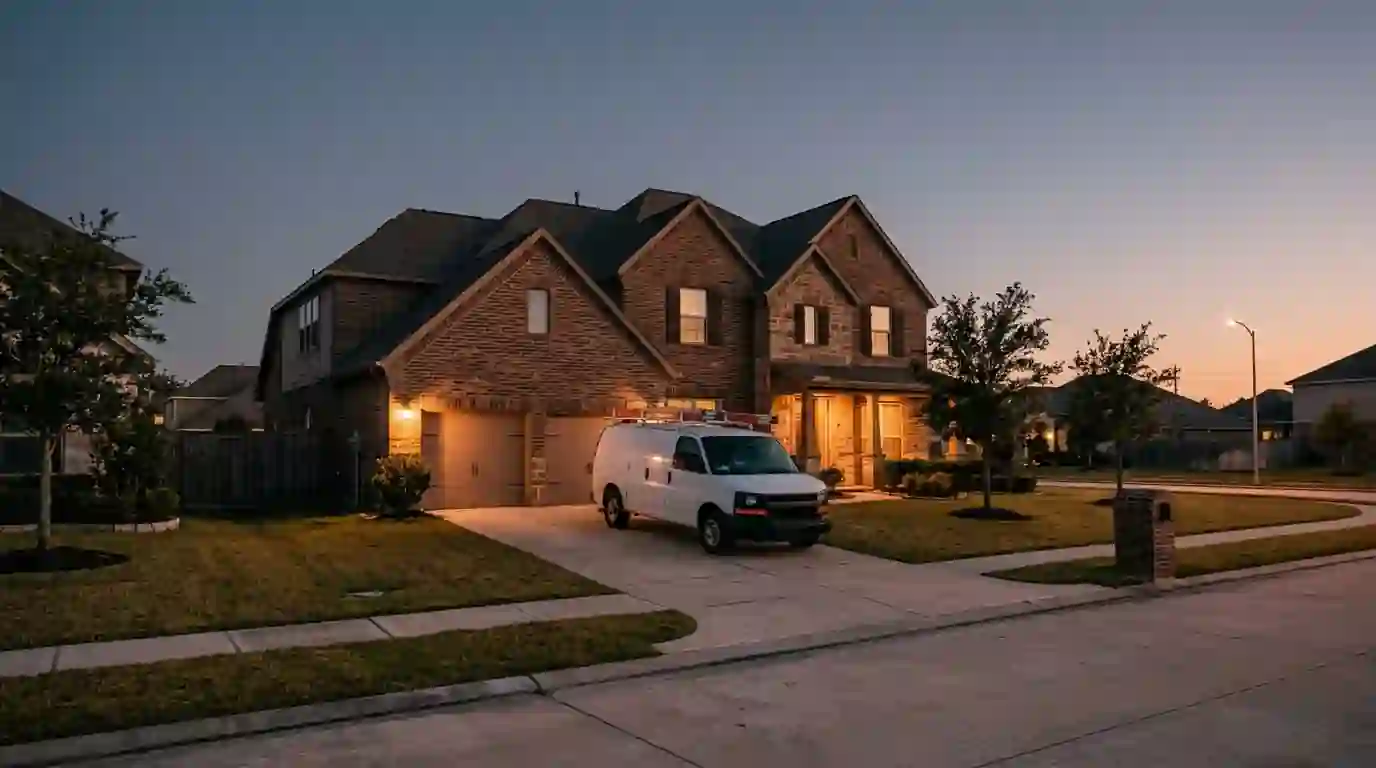
Plumbing problem in Country Place right now?
Call (281) 845-9645Questions from Country Place homeowners
Repeat leaks, low pressure at several fixtures, discolored water or corrosion on exposed pipe all point that way. Sound pipe with one leak can simply be repaired. We check pipe material and condition first, and our repiping guide explains the decision.
Possibly not. A walk-in tub holds more water than a standard tub, and you want it full and warm quickly. Your tank size and recovery rate tell us whether it can, and we recommend a larger tank or a supplemental heater if needed.
In most bathrooms it can. A tub space can often become a low-threshold shower with a bench, grab-bar backing and a handheld head. The drain may need moving and the valve repositioning, which we plan during the measuring visit.
They are often planned together. If walls in the bathroom are opening for a walk-in tub or shower change, running new supply lines there at the same time saves a second disruption. We sequence the work so water stays on as much as possible.