Quick answer
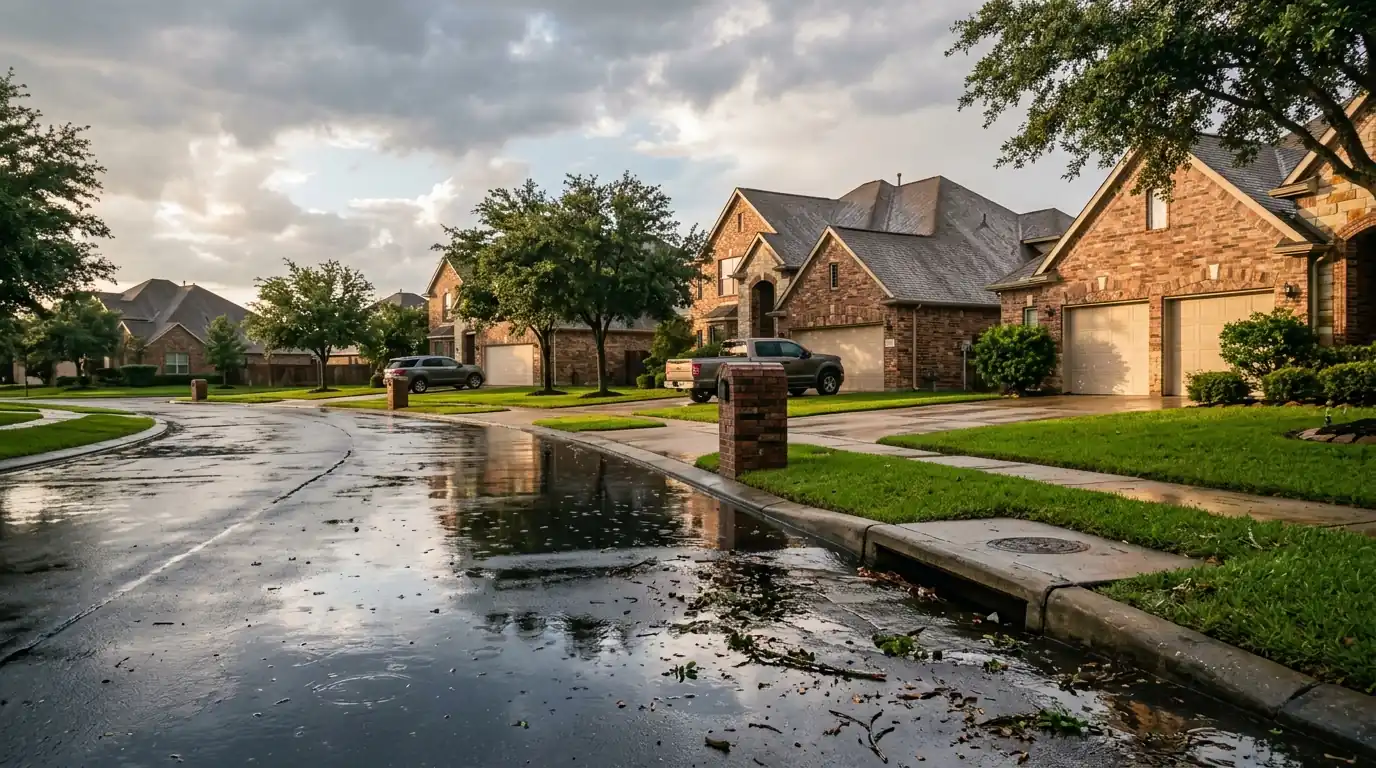
Freeze-proofing a Pearland home means protecting the pipes that sit outside the heated space: attic lines, supply runs in exterior walls and garages, hose bibs and irrigation backflow assemblies. Insulate what you can reach, cover outdoor faucets, know where your main shutoff is, and drip the right faucets when a hard freeze is forecast. The 2021 storm showed which lines fail first.
What February 2021 showed about Houston-area plumbing
NWS Houston's February 2021 summary records a Hobby low of 17 degrees on Feb 15 and 15 degrees on Feb 16, both breaking 1951 records, and says the event brought broken pipes to the region. Hobby sits on Houston's south side, not far north of Pearland, so those readings give a fair picture of what local attics and garages went through.
Next door, city data showed 311 residential structures in Friendswood were affected by Winter Storm Uri. The pattern across the area was the same: lines that never had to handle a multi-day freeze split in attics, exterior walls and outdoor faucets, and many of the leaks only showed up once the ice thawed and pressure came back.
A freeze shows up almost every winter here
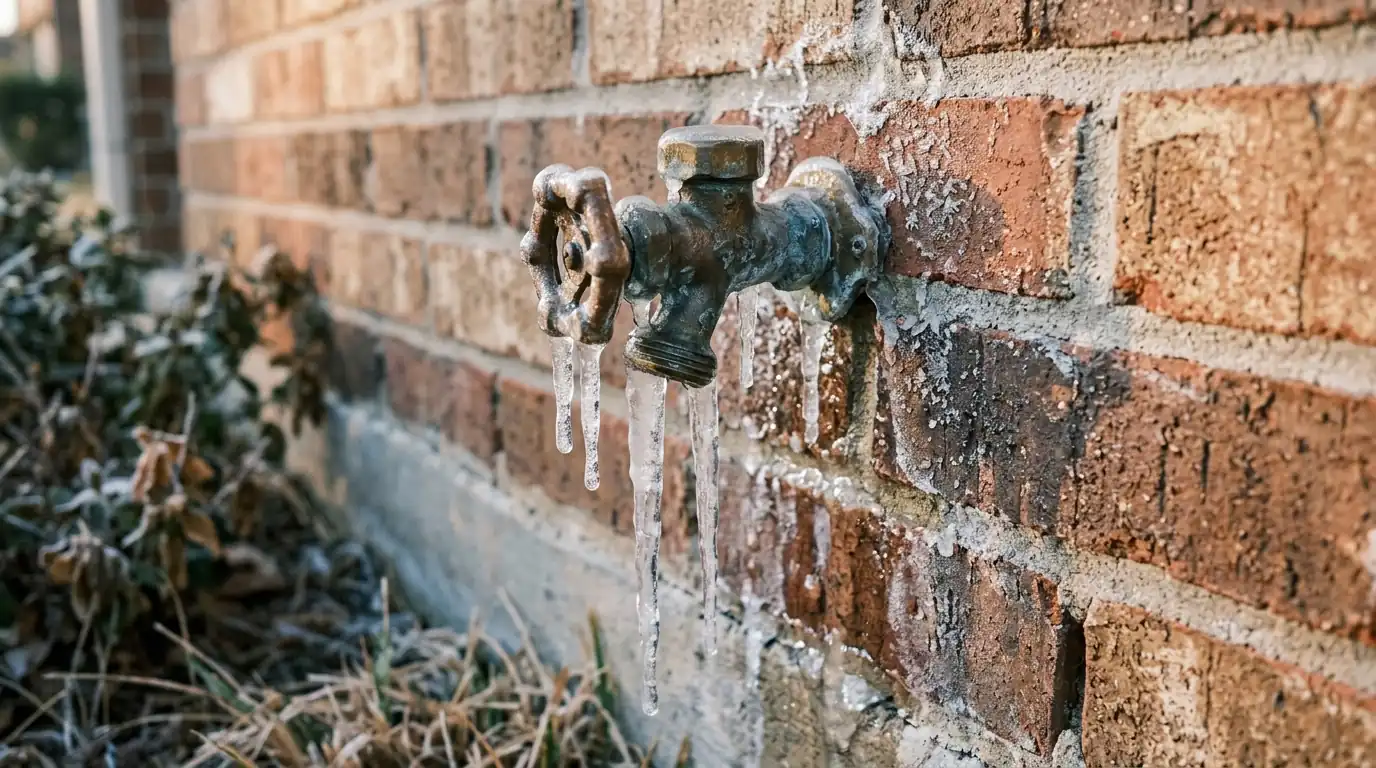
A storm like 2021 is rare. A freeze is not. By the long-term record, Houston's Bush Intercontinental Airport averages 9.6 days a year with freezing temperatures and has recorded at least one freeze every winter since 1969 except 2023. Most of those nights pass without damage, but a hard freeze with wind can still split an exposed hose bib or an attic line in a single night.
Gulf Coast homes are built for heat. Supply lines often run through the attic to reach bathrooms and kitchens, and insulation is placed to keep summer heat out, not to keep pipes warm. That's why a short freeze can catch a slab home in Pearland or anywhere in Harris County off guard.
The weak points to check in a slab home
Walk the house with these in mind. Any pipe on this list that sits outside the heated space, or against an outside wall with little insulation, is a candidate for protection:
- Supply lines in the attic, especially near the eaves where insulation is thin
- Pipes in exterior walls behind kitchen and bathroom sinks
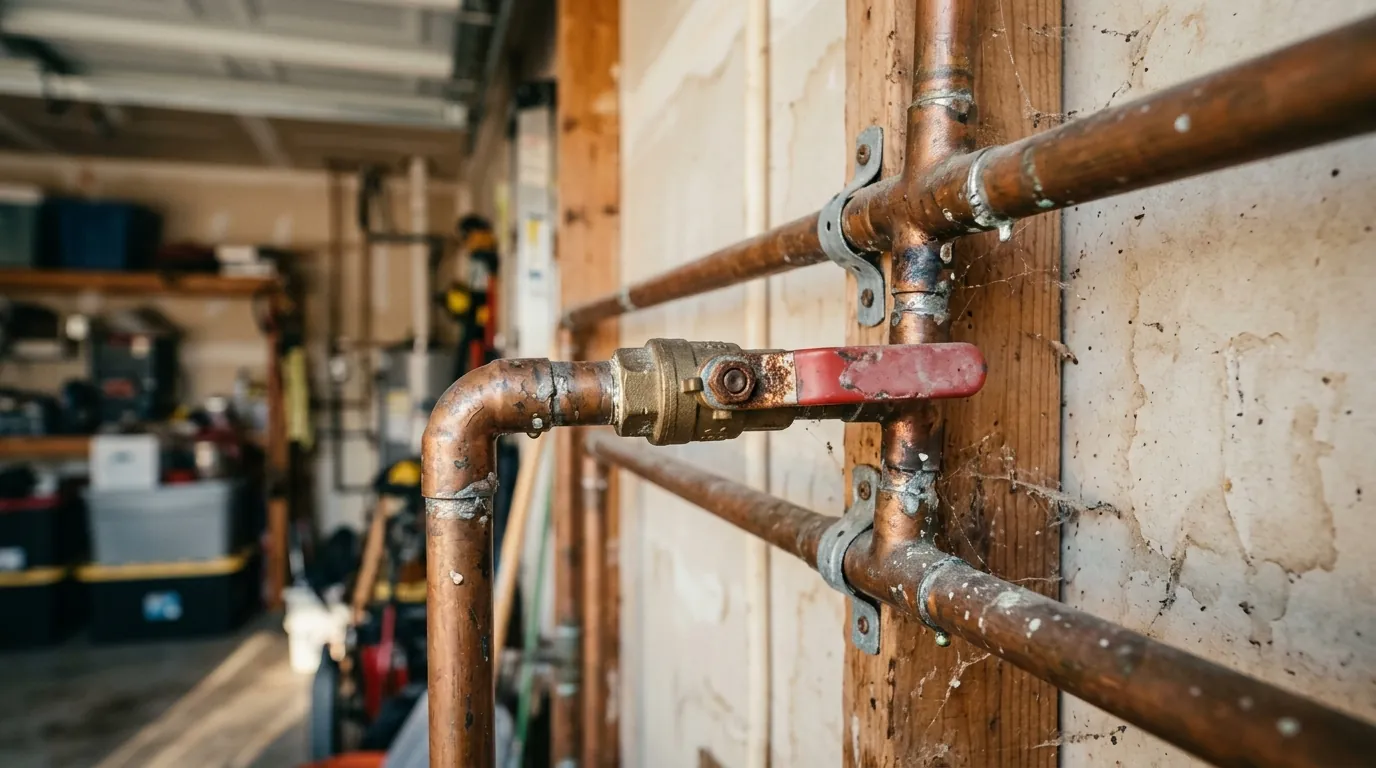
- The main line and water heater connections in an unheated garage
- Hose bibs and the short pipe run just inside the wall behind them
- Irrigation backflow assemblies and exposed risers in the yard
- Pool equipment lines and outdoor showers
Rather have a plumber look at it?
Call (281) 845-9645Fixes that last longer than one winter
Foam pipe sleeves on reachable attic and garage lines are the simplest upgrade. Where a line sits right against the roof deck, adding insulation over it, or moving it lower into the insulation layer, does more than a sleeve alone. Rerouting the worst runs and adding heat cable on lines that can't be moved are both part of pipe freeze protection work.
Outdoor faucets deserve their own fix. A frost-free sillcock puts the shutoff inside the wall, so the exposed part drains after each use. If yours drips or has split before, hose bib repair is a small job worth doing before winter. A clearly marked, working main shutoff is the other must-have: a valve that's frozen open or buried in mulch costs you time when a pipe lets go.
Your checklist when a hard freeze is in the forecast
When the forecast calls for a night well below freezing, a few habits do most of the work. Do them before dark, not once the temperature has already dropped:
- Disconnect garden hoses and cover each outdoor faucet
- Open cabinet doors under sinks on exterior walls
- Let a thin, steady drip run from faucets fed by attic or outside-wall lines, on both hot and cold
- Keep the thermostat steady overnight, including in rooms you don't use
- Wrap or cover the irrigation backflow assembly, or shut it off and drain it per its maker's directions
- Find the main shutoff and keep a flashlight and a valve key next to it
If a pipe freezes or splits anyway
A faucet that gives a trickle or nothing at all during a freeze usually means ice in the line. Leave that faucet open. You can warm the suspected section with a hair dryer or a space heater kept clear of anything that can burn, but never use an open flame. If you can't find the frozen spot, or it's inside a wall or ceiling, shut the main valve and call.
A split pipe often stays quiet until it thaws. If you see water from a ceiling, wall or the attic, close the main shutoff right away, turn off the water heater's gas or breaker, and open the lowest faucet to drain the lines. We answer around the clock for burst pipe repair, and photos of the damage before cleanup help with any insurance claim.
When you'll be away during a freeze
Leaving town in winter changes the plan. Set the thermostat low but steady instead of shutting the system off. If the house will sit empty through a hard freeze, shut the main valve, turn the water heater to vacation or pilot, and open faucets to drain what's left in the lines. A smart shutoff valve can close the main on its own if it senses a leak. Ask a neighbor to check the house after the freeze, before the water goes back on.
Repairs this guide points to
- Pipe Freeze ProtectionAttic and exterior wall pipe insulation, Hose bib and backflow covers
- Outdoor Faucet & Hose Bib RepairLeaking hose bibs, Frost-free sillcocks
- Burst Pipe RepairFreeze-split pipes, Attic supply line breaks
Reader questions
There's no single number. Exposure, wind and how long the cold lasts matter more than the low itself. Pipes in attics, garages and outside walls are at risk during any hard freeze lasting several hours, so protect them whenever the forecast calls for one.
Yes, on fixtures fed by lines in the attic or an outside wall. A thin, steady drip keeps water moving and relieves pressure if ice starts to form. Interior fixtures on inside walls usually don't need it. Turn the drips off once temperatures rise above freezing.
PEX can stretch slightly as water freezes, so it often survives a freeze that would split copper or CPVC. It isn't immune: fittings can fail and a long, deep freeze can still damage it. Insulation and placement matter for every material.
Yes, if you have an irrigation system. The brass assembly sits above ground and holds water in thin parts that crack easily. Wrap it with an insulated cover, or shut it off and drain it following its maker's directions, before a hard freeze.
Start at the faucet with no flow and trace the line back toward where it enters the house. Look for frost on exposed pipe, or feel for a section much colder than the rest. If it's inside a wall or ceiling, call us before trying to thaw it.
Look at the attic, garage ceiling and walls behind sinks for damp spots. Check outdoor faucets for drips when opened, and watch the water meter with every fixture off. Leaks from freeze damage often show up a day or two after the thaw.
Keep reading
- Burst Pipe in Pearland: What to Do FirstThe first ten minutes: the valve, the heater, the lowest faucet, then the call.
- Why Drains Back Up After Heavy Rain in PearlandWhat heavy rain does to sewer lines, and the backwater valve that helps.
- Signs of a Slab Leak in a Pearland HomeWarm floors, a meter that moves with everything off, and the other clues that point under the slab.